C2 SQUARED
Tesla Cybercab
A proposal to Tesla

100 Cybercabs. Diligence done. Ready to buy.

Csquared is prepared to purchase a 100-vehicle Cybercab fleet and operate it on Tesla's robotaxi network. We have completed a full commercial diligence pass and we're asking Tesla for the terms to move first.

Start the conversation

Why we're buying

Three convictions, each one underwritten before this page existed.

  1. The network wins, and fleets compound it.

    Autonomy is a manufacturing problem and a data problem, and Tesla is ahead on both. A robotaxi network gets better with every paid mile - 2.5 million and counting - and the operators who add cars to it early don't just earn revenue, they help make the network denser, faster, and harder to catch. We want to be one of those operators.

  2. Purpose-built beats retrofitted.

    The Cybercab is the first vehicle designed from first principles for paid autonomy: two seats, no driver hardware, engineered for cost per mile instead of cost per sticker. Every prior rideshare fleet was a compromise around a human driver. That compromise is gone, and the economics reset with it.

  3. Capital should move before the window does.

    Early fleet terms will be set by the buyers who show up with committed capital and a real operating plan while the ramp is still slow. We're showing up now - diligence complete, capital committed, ready to sign - because the best allocation of the first production years goes to whoever asks for it seriously, first.

The ask

A straightforward commercial proposal: we bring committed capital and an operating plan; Tesla brings the vehicles and the network.

Program size at Tesla's stated ~$30,000 target price: roughly $3M in vehicles, plus depot, charging, insurance, and working capital.

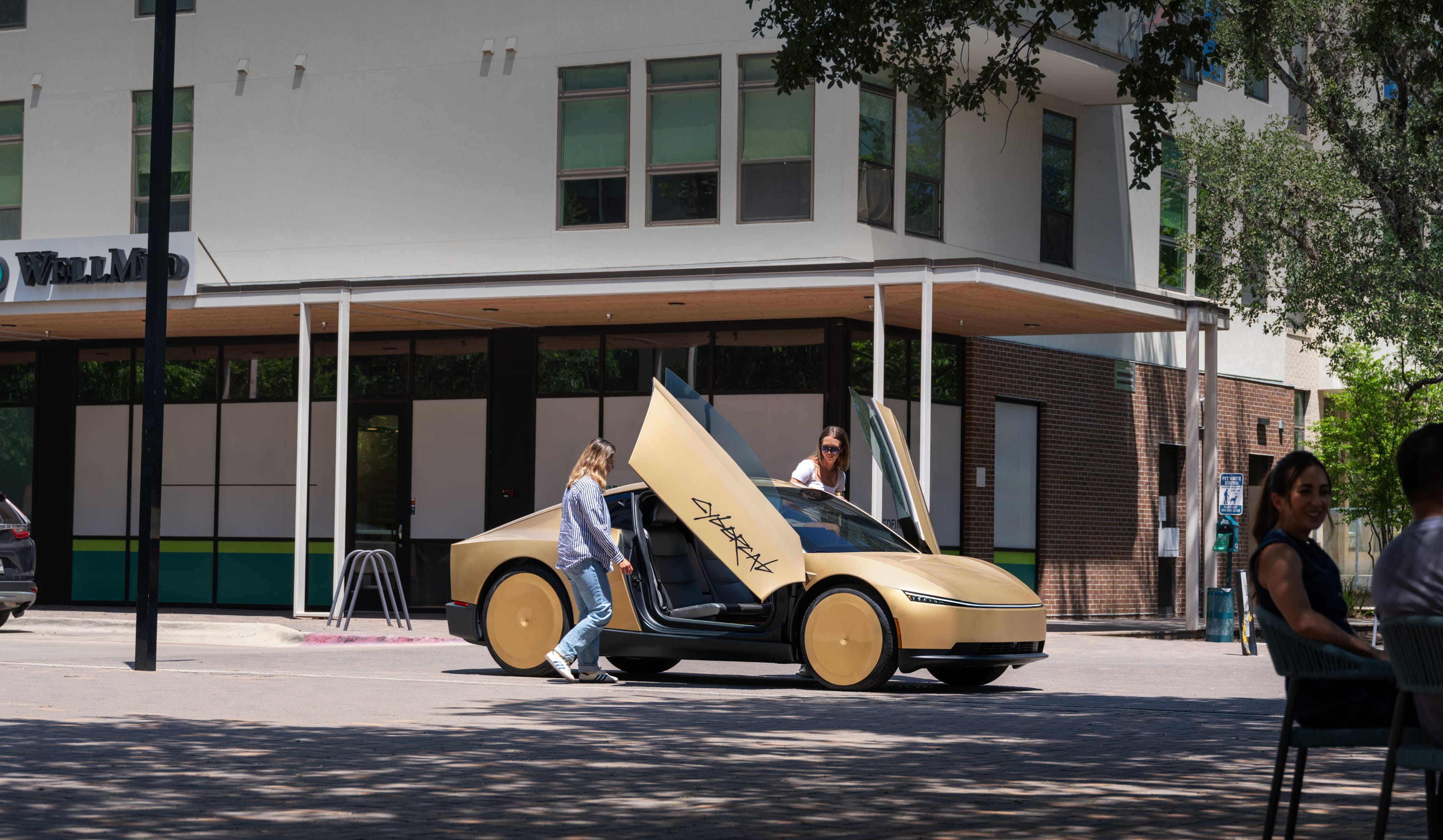
Tesla's fully autonomous Cybercab fleet

Where the market is today

We've built the plan around verified facts, not hype. Here's what we know as of September 2026.

2026
Cybercab production started at Giga Texas, ramping now
7
live robotaxi markets: Austin, Bay Area, Dallas, Houston, Miami, Orlando, Tampa
2.5M+
paid autonomous miles driven on Tesla's network
~$30K
stated Cybercab target price - the number fleet economics are built on
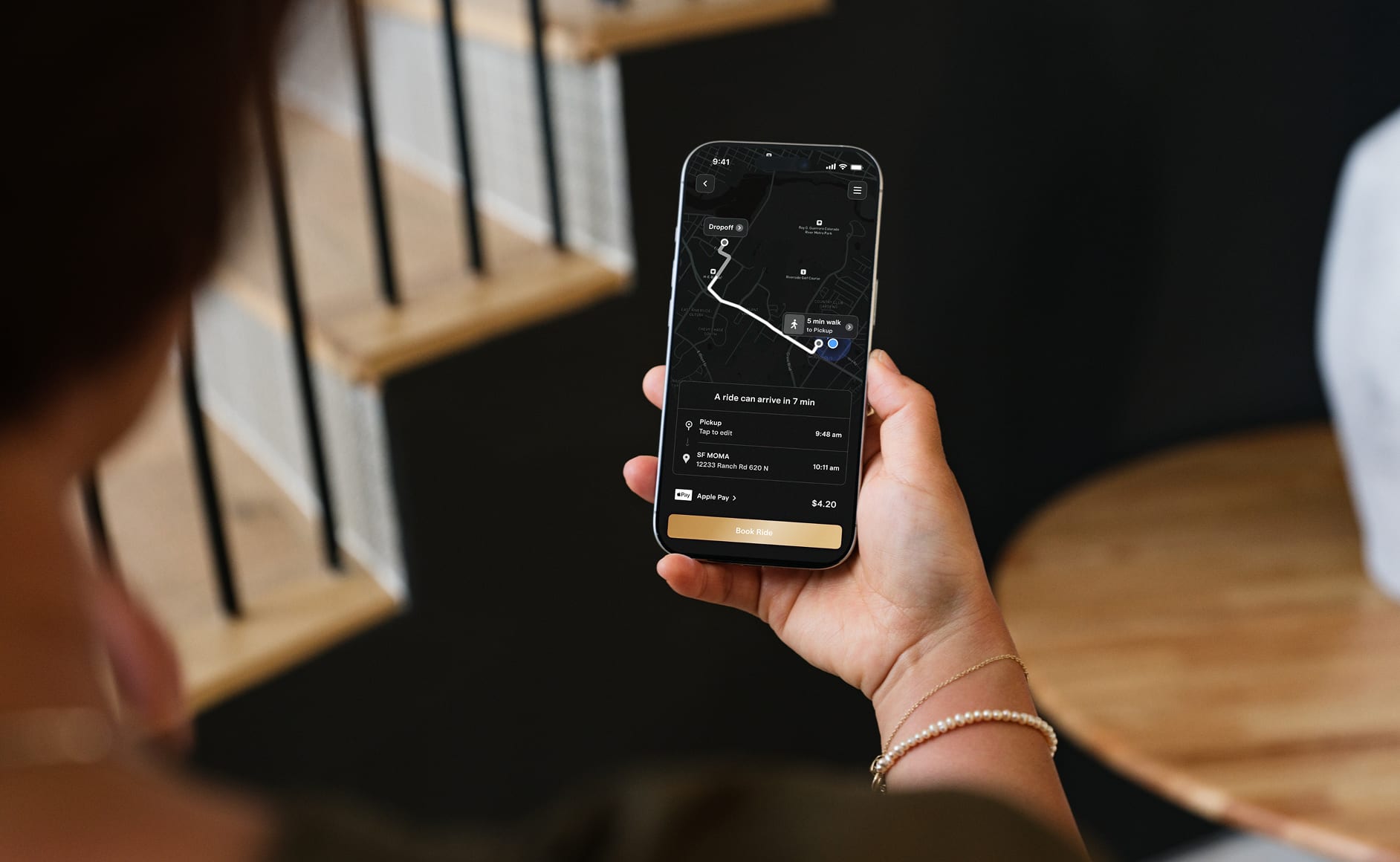
Tesla robotaxi network app

Estimated economics

Per-cab annual model across three utilization scenarios. Anchored to observed pricing; every assumption is labeled as one. Tesla has the real numbers - we're asking for them.

Per Cybercab, per yearLowBaseHigh
Paid miles per day assumption50100150
Revenue per paid mile assumption$1.50$2.00$2.50
Gross revenue (350 operating days)$26,300$70,000$131,300
Less: Tesla network share assumption25%25%25%
Less: operating cost per mile assumption$0.40$0.35$0.30
Net per cab per year~$12,700~$40,300~$82,700
Payback on ~$30K vehicle~2.4 yrs~9 months<5 months
100-cab fleet, net per year~$1.3M~$4.0M~$8.3M

Our goals

What Csquared becomes if Tesla says yes.

Year one: prove the unit

Take first deliveries, run them hard on Tesla's network, and publish our real per-mile economics back to Tesla. One market, operated flawlessly, before any second one.

Then: scale to 100

Full fleet delivered in tranches matched to the ramp. A depot, charging, cleaning, and remote-assistance operation built for 100 cars from day one, not retrofitted at 60.

After that: follow the network

Tesla's map decides our map. As new robotaxi markets open, Csquared is positioned to be a repeat fleet buyer - hundreds more vehicles across multiple markets, on the same terms we prove out with the first 100.

The diligence is done

Before asking Tesla for 100 cars, we worked the problem end to end - more than 30 load-bearing questions across eight workstreams, each mapped, sourced, and stress-tested.

Vehicles & supply

Fleet purchase terms, steering-wheel vs. control-free variants, delivery cadence against the ramp, resale and software-access restrictions.

Capital structure

SPV design, asset-backed debt vs. equity, residual-value underwriting on a purpose-built robotaxi, total program cost.

Unit economics

Revenue per mile, utilization, full opex stack per mile, Tesla network revenue share, payback sensitivity at low/base/high cases.

Regulatory path

State AV deployment frameworks, municipal requirements, federal FMVSS and NHTSA exemption status for control-free vehicles.

Insurance & liability

Commercial AV fleet coverage, crash liability allocation between operator, Tesla software, and passenger.

Operations

Depot siting and cost, charging infrastructure, cleaning and turnaround, Tesla service capacity, remote-assistance staffing, winter operations.

Tax & accounting

Depreciation treatment, commercial clean-vehicle credits, state and local levies on per-mile economics.

Downside & exit

Residual-value scenarios, cancellation rights on the order, milestone-based capital deployment, hardware obsolescence protection.
Who's buying

Badal Shah, Principal - Csquared / eighteen30ventures.

Founder of TIDL, a consumer health company built over five years into national retail distribution (Walmart, CVS, Vitamin Shoppe) and an approved pharmaceutical supplier to the VA and Department of Defense. Operator first: we build things that have to work in the real world, at fleet scale, on real unit economics.

We're not waiting to see whether robotaxis happen. We're asking to be one of the fleets that makes them happen.

Tesla Cybercab